Argento Acres Blog

Meet the Farm Dogs

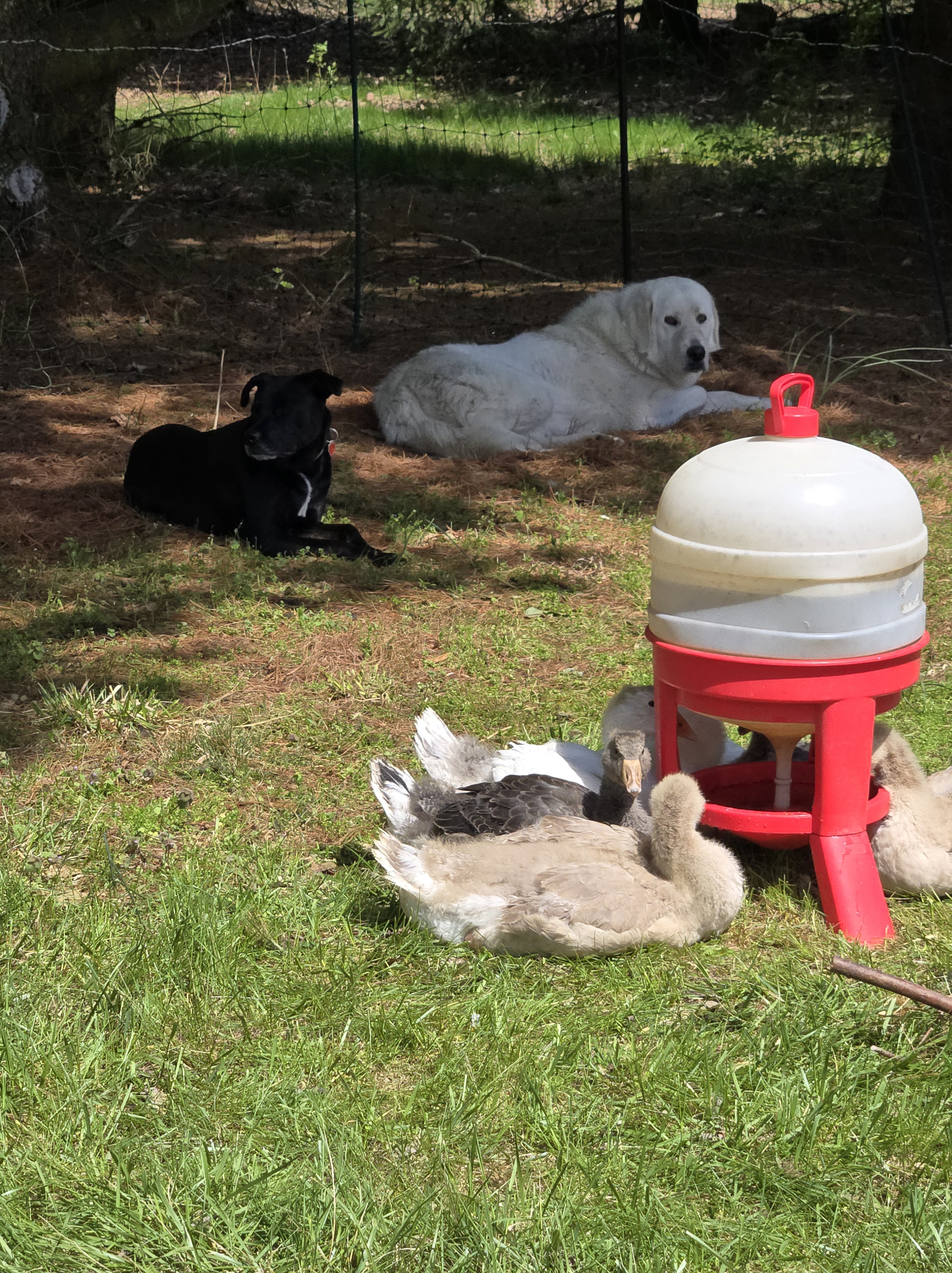
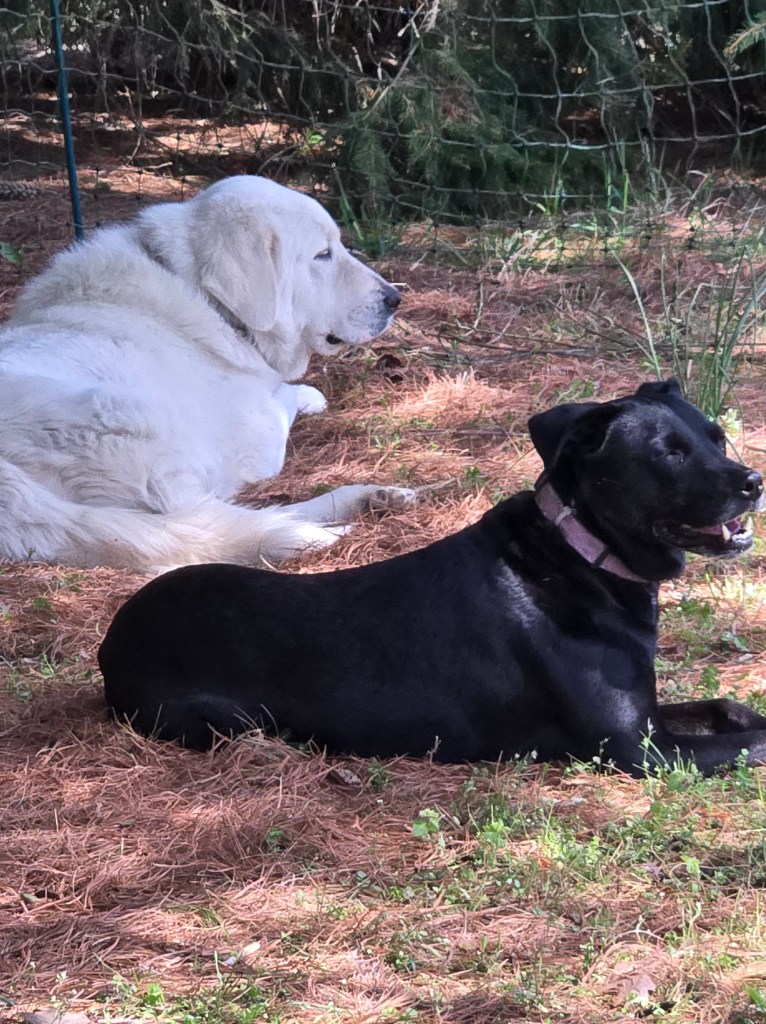
Every farm benefits from having good farm dogs. Argento Acres is home to two awesome dogs, Beatrice, a 6-year-old lab/pit mix and Aldo, the newest addition, a 2-year-old Maremma Sheepdog from Canada.

Bea is the all-around farm and house dog. She does it all…pest control in the hoophouse and garden, babysitting goslings, guarding and alerting to visitors, pulling a sled loaded with bags of bird food to the coop in January when I hurt my back, digging holes for planting and turning compost, keeping the rooster from sneaking up on me while collecting eggs (literally she has my back). She loves everyone, has endless energy, and wants to be included in the fun! When not running around the farm, Bea loves rally, agility, or anything that requires athleticism. At the end of the day, snuggles on the couch are her favorite.

Aldo is 100% all-in as a livestock guardian. The Maremma Sheepdog is an Italian livestock guardian dog breed similar to the Great Pyrenees. At 100 lbs, he resembles a giant marshmallow, but don’t let that fool you. His personality is the polar opposite of Beatrice. Aldo had a rough start in life on a farm in Canada. He ended up in a rescue that specializes in livestock guardian breeds, giving them basic socialization and obedience training, and then training them on livestock to be placed in working homes.

Maremmas were originally bred to guard sheep and goats, but some can make great poultry guardians. Aldo is one of those special dogs who is wonderful with poultry. He takes his job very seriously, making sure no coyotes, raccoons, stray dogs, hawks or owls harm his flock of chickens, ducks, geese and turkeys. Unlike Beatrice, he is a specialist. he is laser-focused on the safety of his birds 24/7 and he lives outside with them. As a guard dog, he is wary of strangers and will bark to let me know someone is there. He patrols all night when predators are most active. Because of his start in life he’s extra wary of people and he really doesn’t like strangers, but if you put in the time it takes to earn his trust, then he does turn into the giant squishy marshmallow he resembles.

Both of these dogs have a special place at Argento Acres and make my life so much easier.

Argento Acres Reinvented

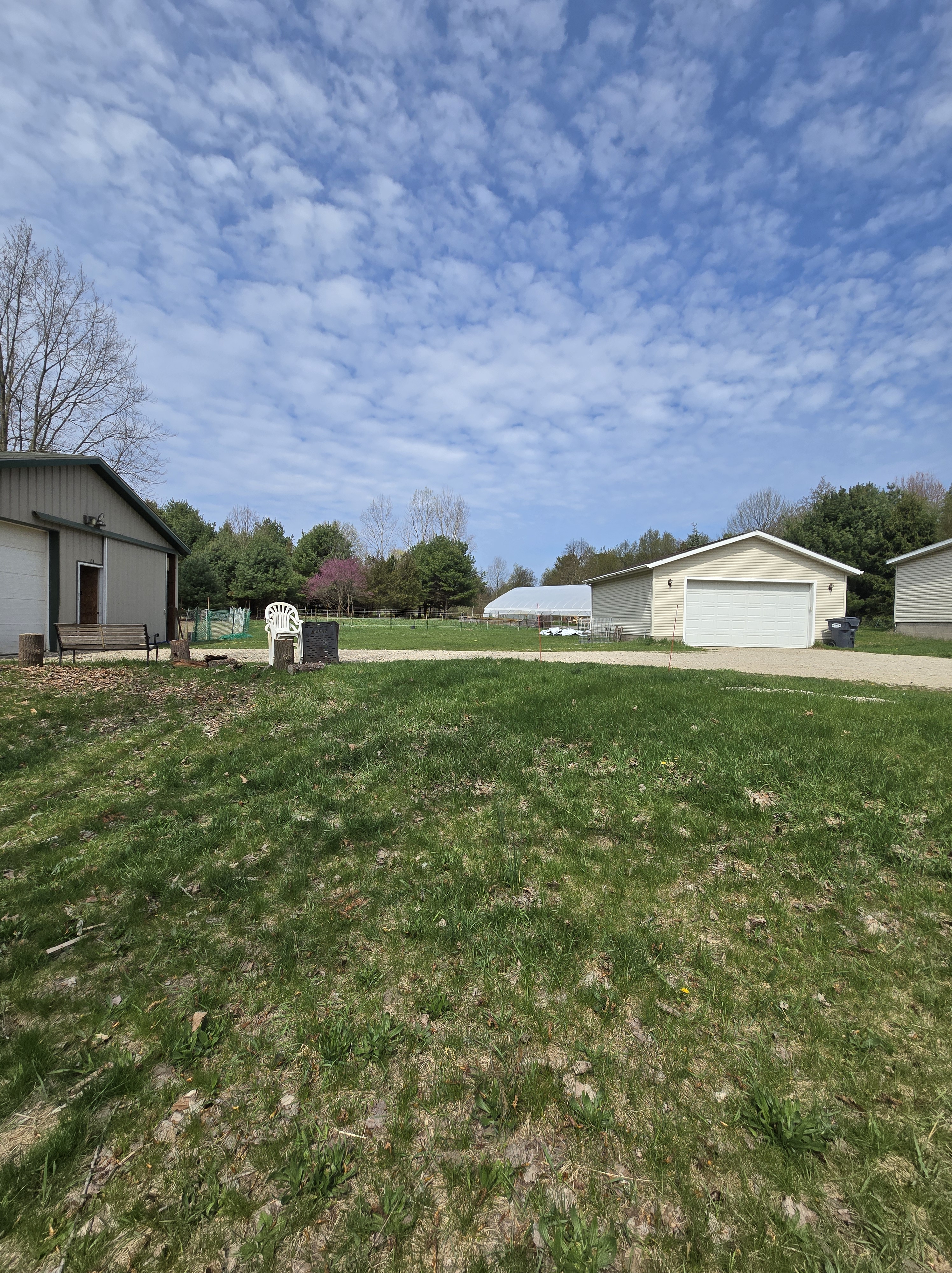
For those of you who have followed my story from the beginning, there have been a few twists and turns along the way. For a while there it was questionable whether or not Argento Acres was going to survive. I’m glad to say, I’m still here and better than ever! After taking most of 2024 off of sales to focus on infrastructure and getting the new property established, this season I’m focusing on growing the farm business. My “new” property is no longer new, it now feels like home. Downsizing to a micro-farm and focusing on being “hyperlocal” has made things much more manageable. I’m working just as hard, but getting more done.

Some exciting new developments: last year I started raising poultry for the first time, and after being successful with a small number of birds, this year I have expanded to over 100 chickens, ducks, turkeys and geese. Chicken and duck eggs have become a big part of my business. Because there are a lot of coyotes, raccoons, hawks and owls in the area, I brought in a trained livestock guardian dog, Aldo, who is worth his weight in gold. Aldo came from Peartree Animal Rescue in Canada, and he is a Maremma Sheepdog. He protects the flock from predators and guards my property. It is amazing to watch a working dog do what he was bred to do. One of the building projects this year has been making a cozy kennel inside my pole barn attached to a large dog run.

As I realized that poultry was working out well for me, I hatched a plan to fence in about 3 of my 8 acres to create pastures to rotationally graze my birds in moveable coops (chicken tractors). The first of 6 coops is almost done. Not only will the birds be moved to fresh grass each day, but the pastures will be fertilized, pests removed, soil tilled.

Last year I planted several fruit trees, berry bushes, and grapevines. My market garden consists of my original hoophouse, that made the move to the new place, and a fenced- in “berry patch”. In between the 4 rows of permanent perennial plantings is space for annual vegetable crops. It will be a few years before fruit from those plants make it to a farmers market or CSA box, but they’re off to a good start.

This property came with a couple of nice outbuildings. A big project for this spring/summer is building an 8’x8′ walk-in cooler in the wash pack room of the pole barn. It will hopefully be done soon, and will be a game-changer for me being able to harvest and store produce for market.

About a year ago I picked up Ben Hartman’s book, “The Lean Microfarm”. That book inspired a lot of the changes I’ve made on the farm. This spring I was able to go to a workshop at his farm in Goshen, IN and see his farm up close. It really inspires the direction I want to go in.

Those are just some of the highlights of what’s going on. Stay with me to find out what happens next!

What’s Up with Organic Certification?

Buckle up, folks; this will be a longer-winded post than usual. If you are interested in the details of the organic certification process, you might find this interesting. Otherwise, now’s your chance to scroll away.

When speaking of Argento Acres, I’ve often used the word “sustainable” or “regenerative.” I’ve also said that I’m looking into organic certification for the farm. But what does any of it mean? And what have I done to have Argento Acres certified organic? These are excellent questions.

Sustainability means using growing practices that preserve the environment while allowing for a profitable harvest. Regenerative agriculture goes one step further to repair and improve the health of the land continually over time. Since previous generations of farming practices have damaged soil health, regenerative practices are increasingly crucial to a healthy food system. In short, sustainability seeks to do no further harm, and regenerative seeks to heal damaged ecosystems.

According to the USDA, “Organic is a labeling term that indicates that the food or other agricultural product has been produced through approved methods. These methods integrate cultural, biological, and mechanical practices that foster cycling of resources, promote ecological balance, and conserve biodiversity.” The farmer must work with an organic certifier to create and implement an organic systems plan to be certified organic. Farmers must demonstrate adherence to the organic systems plans over time. Land previously managed with conventional practices typically takes a three- to five-year transition period before being eligible to be certified organic. The Organic Materials Review Institute (OMRI) determines which materials are allowed in organic agriculture. These materials include non-synthetic fertilizers, herbicides, and pesticides.

So where is Argento Acres in this process? Currently, we are at the very beginning of transitioning to USDA organic. Since I bought the farm, I’ve only used materials listed on the OMRI materials list. I use no herbicides at all, conventional or organic. I manage weeds by mowing or hand-pulling. I manage soil erosion through minimal tillage. I make some of my compost on-site. 

But, I still need a detailed organic systems plan, and I have much more to learn about managing a farm property organically. I need to keep more detailed records about the frequency and quantity of OMRI-listed materials applied. I also need to keep better records of the seeds and plants I’ve purchased. I am concerned that there needs to be a sufficient buffer zone between my conventional neighbor and the crops I want to be certified organic. 

I will need to work closely with an organic certifier to comply with the requirements for these and many other items. I had staff from the USDA and NRCS visit the farm, and I did apply for a USDA grant to cover the costs of working with a consultant to create my organic systems plan. Little by little, I’m working towards making it happen. However, considering I am also learning how to farm and run a profitable business simultaneously, it will likely take longer than I’d initially hoped. I need to carve out time and money, which are typically in short supply for a small start-up such as Argento Acres.

I prioritize growing top-quality, healthy crops and bringing them to my customers while caring for the land to the best of my ability. Ultimately, becoming certified organic will help my business grow because of consumers’ confidence in the organic seal. Organic certification is helpful because it speaks volumes about my growing practices when there isn’t an opportunity to explain them in person. However, the lack of certification does not mean organic management is not taking place. In my opinion, the best way to know how well a farmer cares for the environment is to talk one-on-one and ask questions.

Ideally, my goal is for Argento Acres to be a genuinely regenerative farm. While I see USDA organic certification as part of that process, the journey to regenerative farming continues after organic certification is acheived. But that’s a story for another day.

For Everything, There is a Season.

Before I get into the topic at hand, that is, new beginnings, I must, sadly, speak of endings. There’s no way to get around the fact that the 2022 season ended on a sour note for the farm and me personally. In September, my 84-year-old Mom was diagnosed with cancer. It quickly became apparent that she would need a lot of care and that the best person to help her through an arduous recovery was me, her daughter. So, I closed the farm down rather hastily and returned to Illinois for the fall and winter. I missed most of September at the Riverside Farmers Market. While I attended the last day of the market in October, missing most of September was a massive blow to the success of Argento Acres’ first farmers market season. The situation also put my plans for the 2023 season up in the air, for we had no concrete idea of how long her treatment would take and what recovery would look like once treatments were over. So I decided to pull back on plans for the farm, not to close entirely but to grow less, sell less, and spend significantly less time farming in 2023. I decided to put the business in survival mode.
I am fortunate that I had the option to put everything on hold and spend time with my Mom. My brother and I could care for her in her home and ensure she got the quality care we wanted for her. As it turns out, the few months I spent with my Mom were the last I would ever spend with her. While initially, her prognosis was good, and her doctor expected her to recover, it was quickly evident that was not the case.
In December, a few days after her 85th birthday, she lost her battle with cancer. Anyone who has ever been a caregiver for a terminally ill person knows what an exhausting and disorienting experience it is to care for someone as they transition from life to whatever lies after. As difficult as it was, I am incredibly grateful that I was there for her in her last days.
One of the best ways I can honor my Mom’s memory is to make the most of the life she gave me. Right now, this means putting the farm back into full production and continuing to pursue plans to make the farm as sustainable as possible. Having put one of life’s most emotionally challenging seasons behind me, I am ready to focus on spring, the season of new life. I will return to the Riverside, IL, Farmers’ Market this year. I have also been accepted to a second market, full application pending. I will announce the second market soon! I am ready to dive in and make the most of the new opportunities 2023 brings.

Hot Sauce Begins Like This…

Those of you who know me know I love tacos. So much so that when my Mom asks me what I’m having for dinner during our daily phone conversations, she’s started prefacing her question with, “Please don’t tell me you’re having tacos.” So, often, I have to come up with a creative way to describe my tacos that doesn’t include the word “taco”. Truth be told, my tacos are not traditional. They are about as Mexican as Chicago deep-dish pizza is Italian. My tacos basically include whatever I have around stuffed into an El Milagro corn tortilla, and usually include a lot of home-grown veggies. They can have bacon, steak, fish, or just pan-fried veggies and refried beans or lentils. In the summer they feature freshly made tomato or tomatillo salsa garnished with fresh cilantro. I recently got some stainless steel taco stands to bake my tortillas for hard shell tacos and I also am experimenting with a cast iron tortilla press and organic masa flour, but I have not mastered the art of tortillas yet.

But, one thing that is consistent in my tacos, and that I have mastered, is homemade hot sauce. One of my favorite homemade hot sauces is blueberry hot sauce. This should not surprise anyone, seeing as how I am a blueberry farmer. I also love growing hot peppers which are of course the foundation of any hot sauce. My current favorites are jalapenos, serranos, and buena mulata hot peppers, all of which I grow for sale here at Argento Acres. To make my blueberry hot sauce I include hot peppers, white vinegar, apple cider vinegar, salt, peppercorns, a bit of turmeric powder, cumin, and a handful of blueberries. There is a Vitamix involved, but I can’t tell you anymore or I’d be giving away trade secrets. Also, since I don’t have a set recipe yet I don’t really know what quantities to tell you. But, I can tell you the general principles of how to make it and I can set you up with the hot peppers, blueberries, and turmeric and you can experiment to your heart’s content. But I digress. The lovely thing about these ingredients is that I can freeze both blueberries and hot peppers and make a fresh batch of hot sauce year-round. It is April, and I still have enough of both in the freezer to keep me in hot sauce until July.

What you are looking at in the photo above are bottles of 2023 hot sauce. I know this to be true because I dreamed of tacos, which need hot sauce, which need peppers, which need to be grown from seed and tended with care. Because supply chain issues affect everything these days, I needed to plan ahead and make sure to buy my favorite seed varieties before they were out of stock. None of these steps looks anything like tacos or hot sauce, but the dreaming of them is necessary nonetheless in order to have hot sauce at the end of the process. The ability to envision the reward of next year is a skill all good farmers must have, whether they are conventional or organic. On my farm, dreaming of hot sauce also means envisioning the biology in the soil that best fosters the growth of the most flavorful hot pepper varieties, like my beloved buena mulatas. It means envisioning how my peppers fit into the ecology of the farm as a whole.

But I can see further into the future too. I see bottles of my blueberry hot sauce for sale at the farmers’ market. Probably not this year, because making processed foods requires learning another set of food safety laws, getting equipment that can make large enough batches, and making sure I have staff to take on the extra work. A lot of planning goes into a new enterprise to ensure it is successful and profitable. But, as you can see above, the seeds for that have already been planted.

So the point of this post and my random musings about non-traditional tacos and hot sauce, can, I supposed be summed up with cliches like, “a journey of a thousand miles begins with a single step”, or “good things come to those who wait”. Or, as Henry David Thoreau said, “If you have built castles in the air, your work need not be lost; that is where they should be. Now put the foundations under them. ” 

But, those are not my words. In my world, I am busy planting the seeds of craveable tacos drizzled in spicy homemade blueberry hot sauce. What seeds (metaphorical or otherwise) do you need to plant this year to bring your visions to life?

A Few Things About Argento Acres

Argento Acres was previously a conventional blueberry farm, and this year we have begun to transition to organic production. Our vegetables are also organically grown. Becoming a certified organic farm is an involved process that will take a few years, and I have not yet decided if becoming certified organic is right for the farm. Rest assured, however, that Argento Acres is committed to growing organically and caring for the health of the soil, ecosystem, and people. I welcome questions about our growing methods and the process of transitioning to organic.

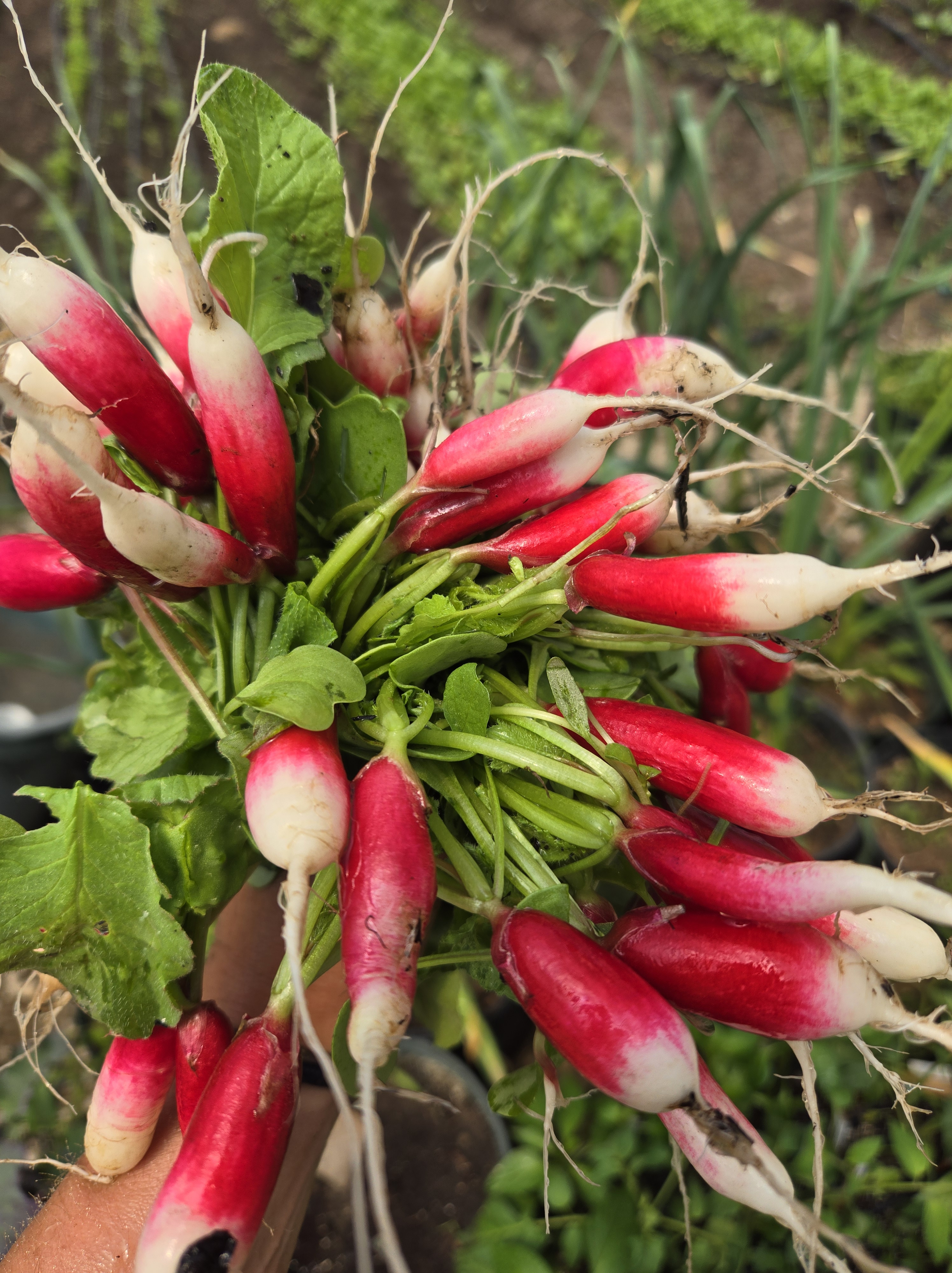
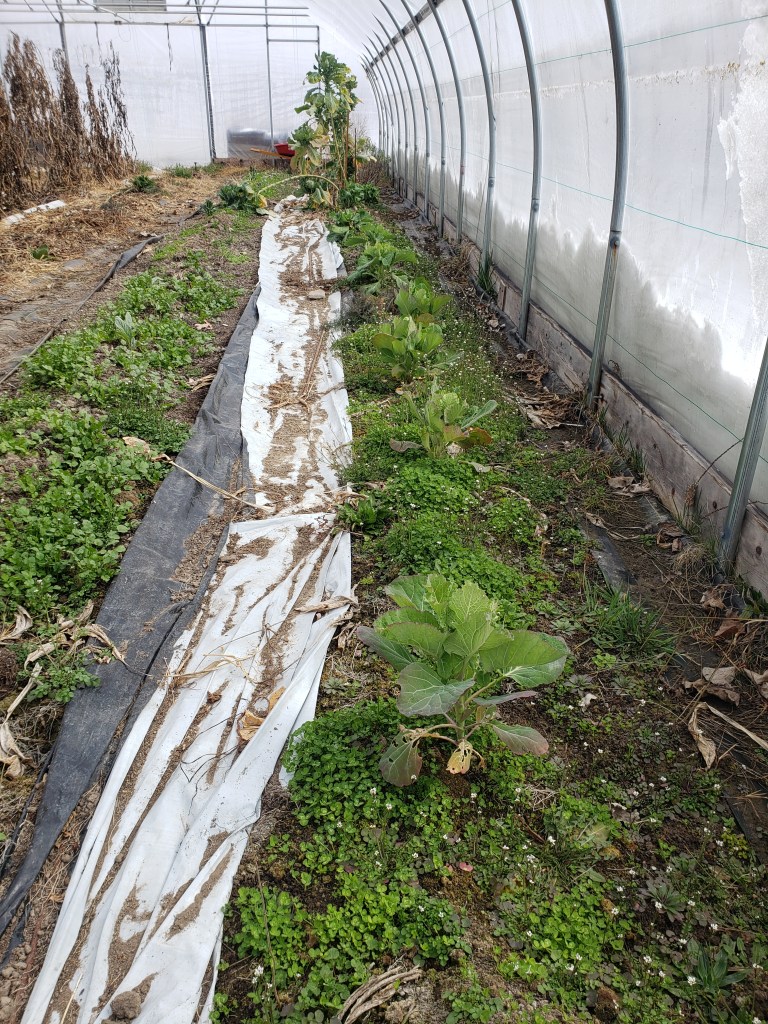
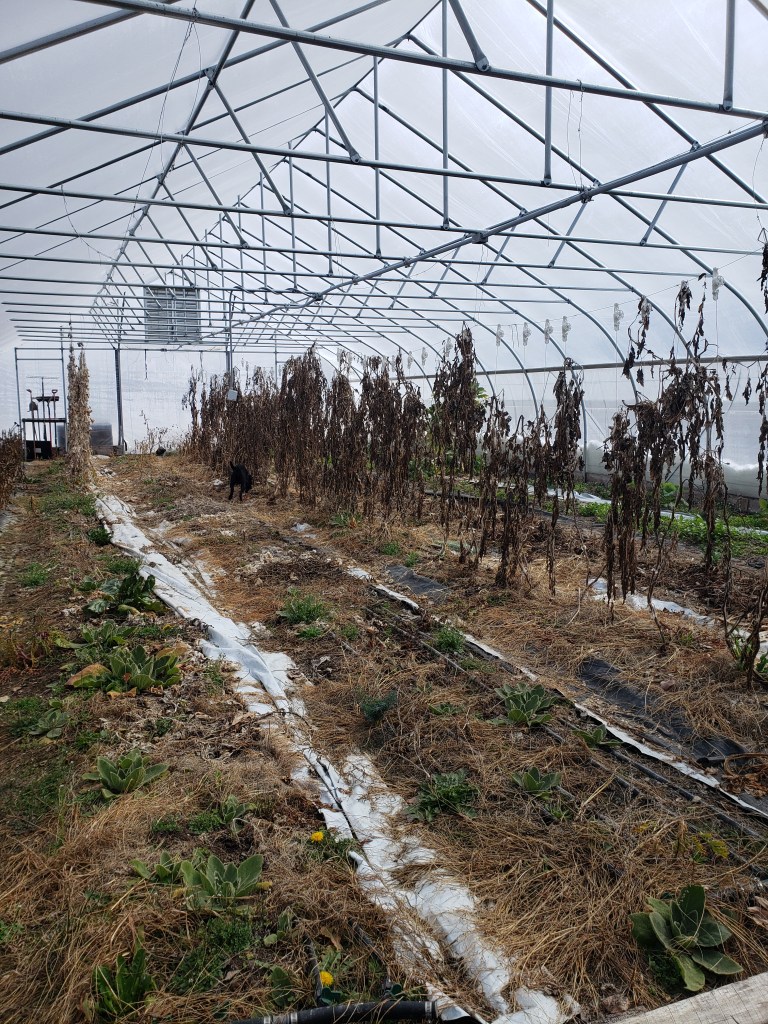
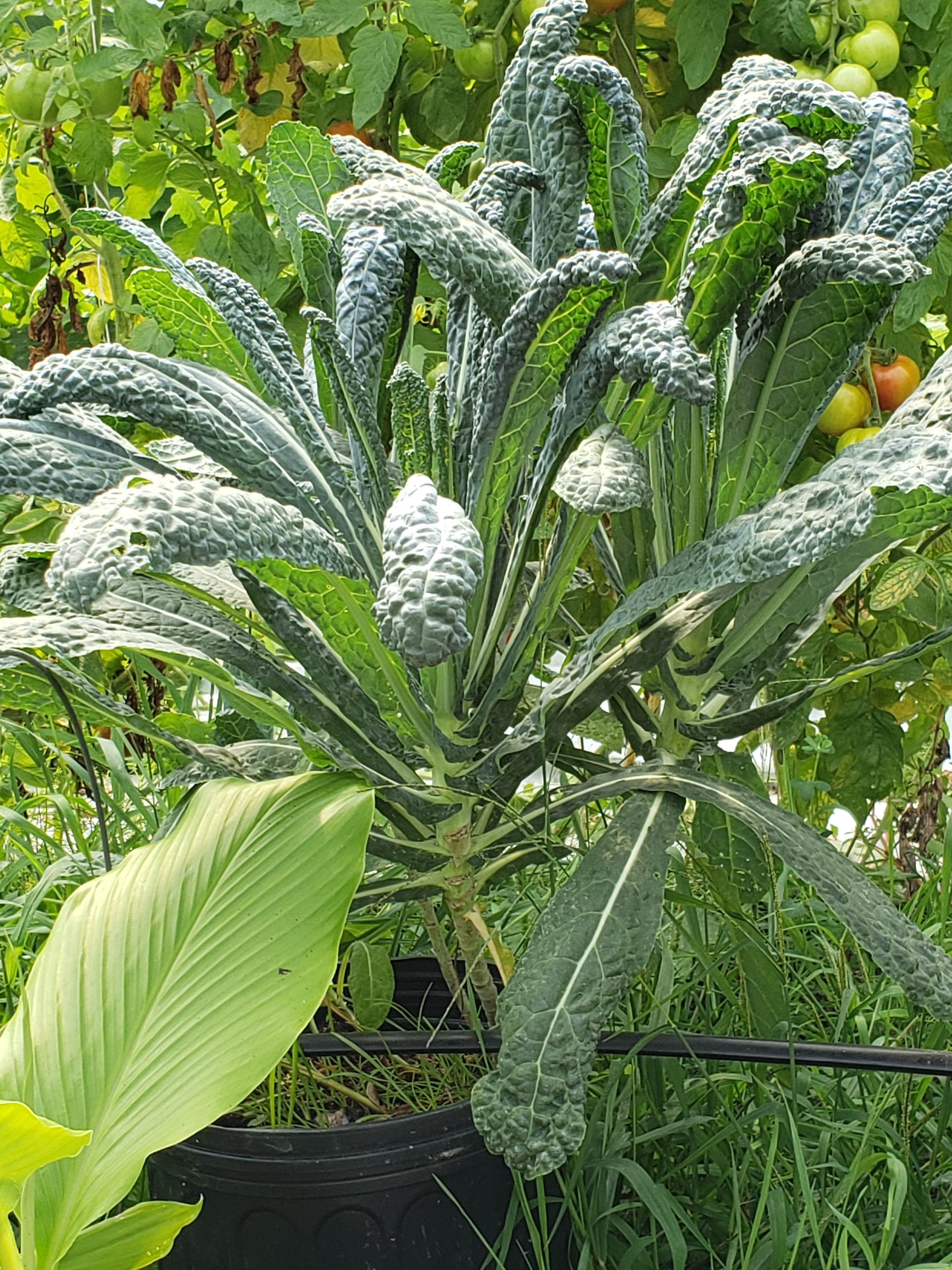
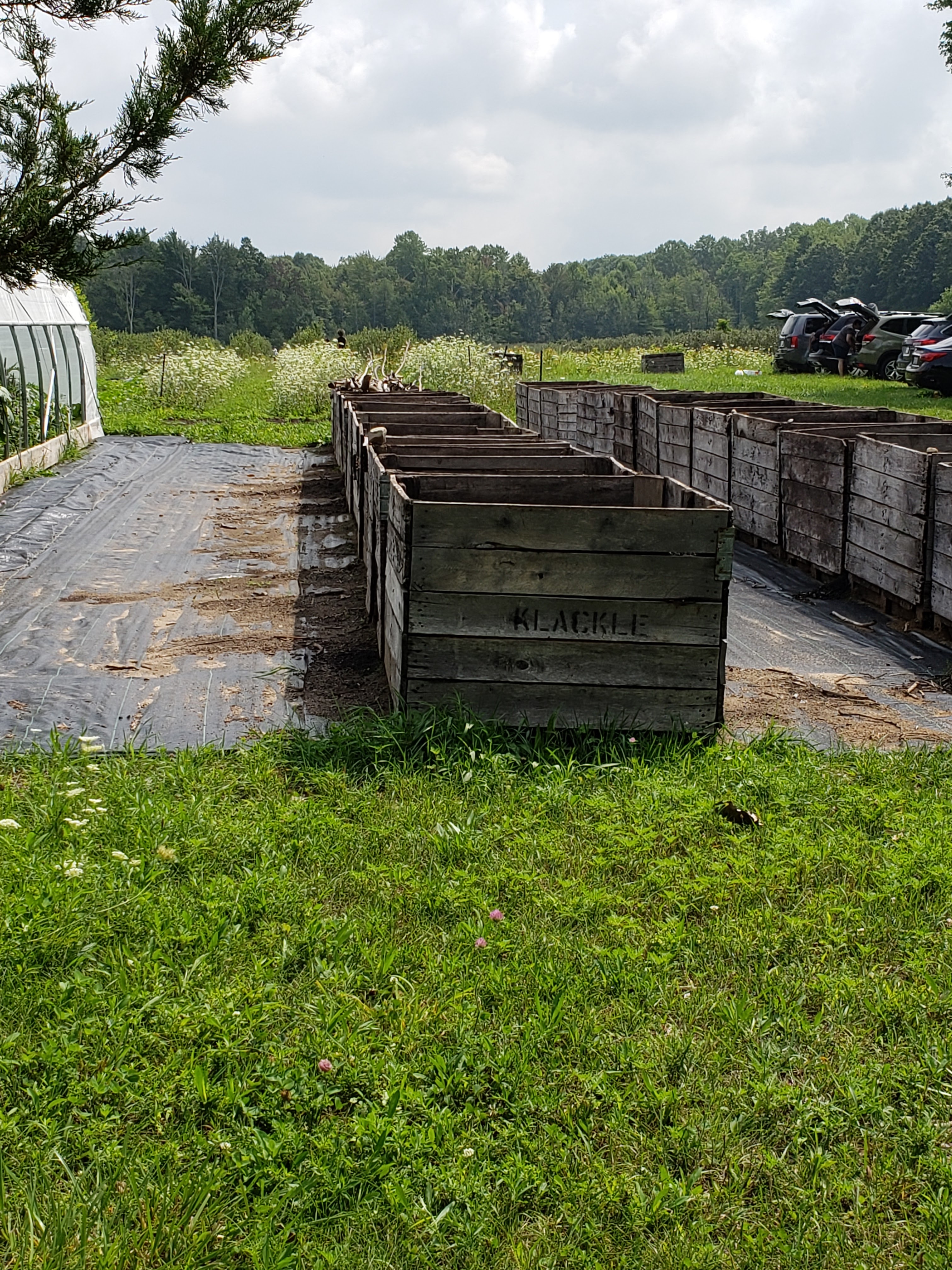
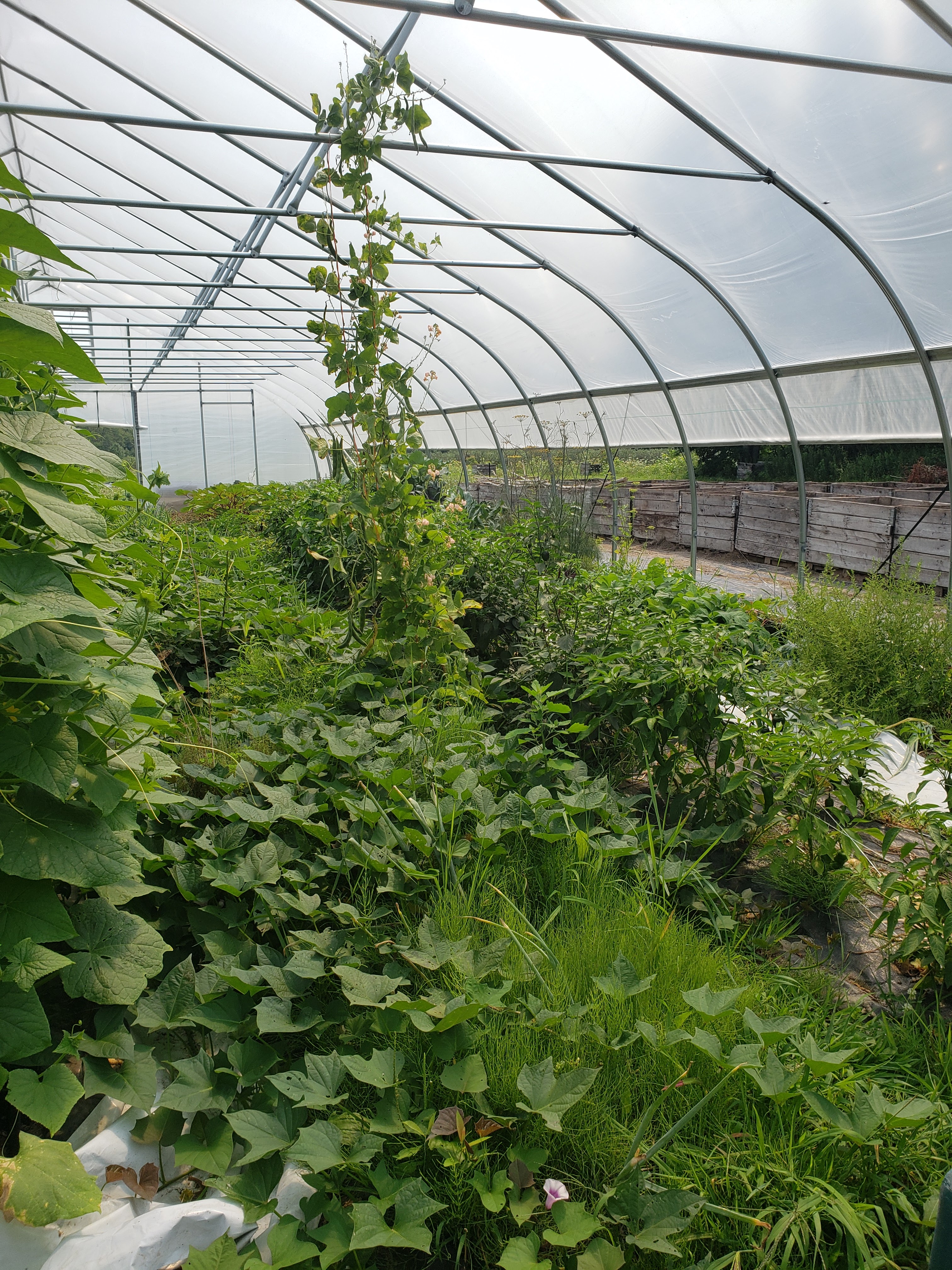
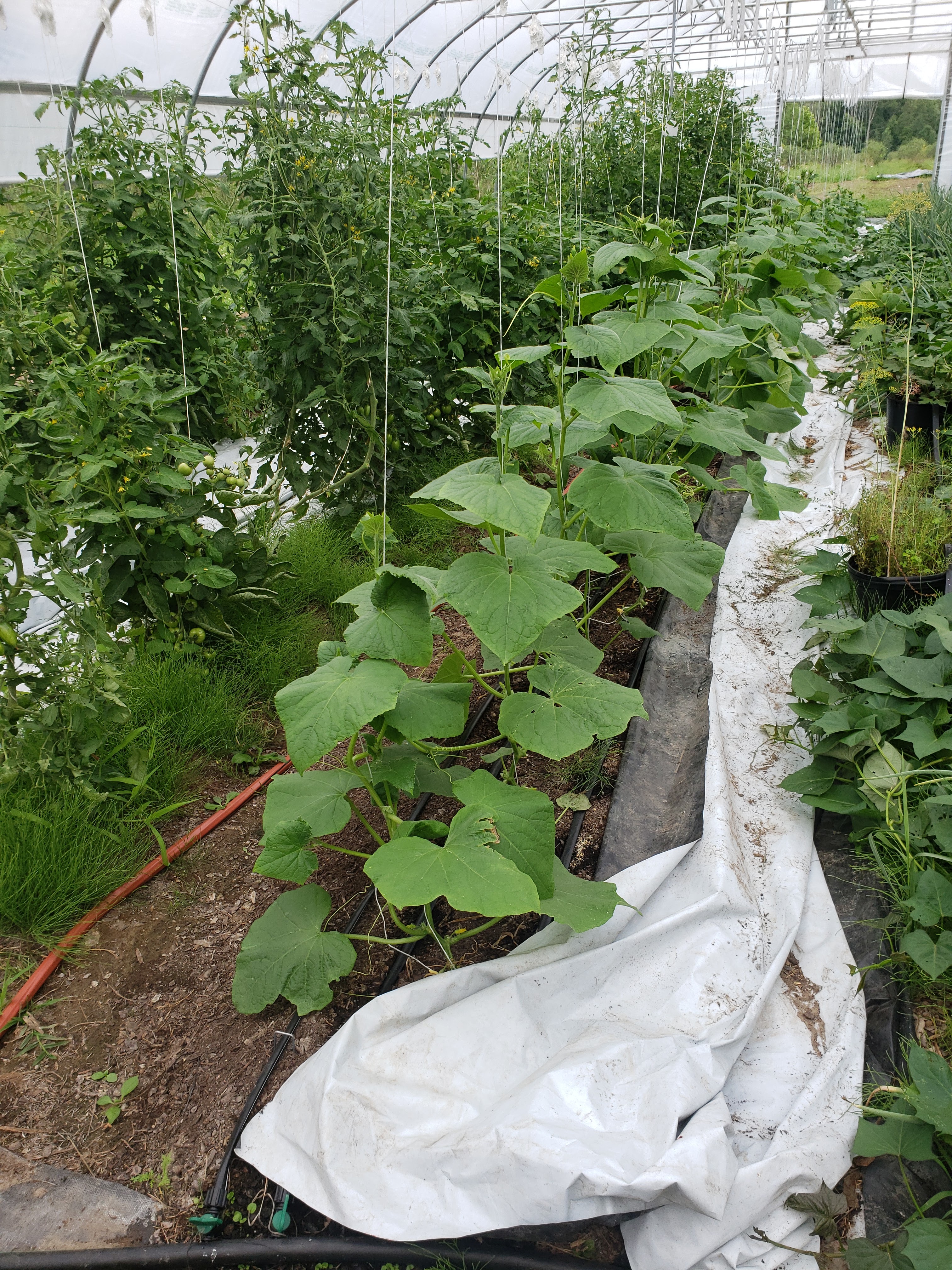
In the market garden, we pick our vegetable varieties for flavor and uniqueness. We prefer heirloom varieties that come with a good story and some history behind them. Our main vegetable crops are tomatoes, peppers, and cucumbers. However, we also grow a wide variety of both favorite vegetable staples and new, novel varieties. Garlic, onions, potatoes, sweet potatoes, okra, ginger, turmeric, galangal, summer and winter squash, beans, peas, brassicas, lettuce and other greens, and a wide variety of herbs grow well on the property. The market garden consists of our 30′ x 72′ hoophouse and the 50′ x 100′ outdoor garden. We also have an apple crate garden consisting of 30, 3’x4′ apple crates that form deep raised beds.

For the gardeners out there, I’d love to hear what you like to grow in YOUR garden. I love to hear about customers’ favorite plant varieties both to grow and to eat. Talking with other growers about plant varieties is one of my favorite things!

If you’ve read this far, thanks for taking the time to learn a bit about Argento Acres. I’d love to see you on the farm and show you around!

Laura M. Lencioni

Owner
Argento Acres laural@argentoacres.com

Silver Lining

In 2020, when the world went into lockdown due to COVID-19, my brother happened to be selling his blueberry farm. He asked me to stay on the farm and help him maintain the property until it sold, since I was working remotely at the time. One thing led to another, and by the end of the year, I decided to buy the property and start a full-time farm business.

I have always wanted to own a farm, and now I have the opportunity to grow delicious, fresh, and healthy food for my customers! Argento means “silver” in Italian. Argento Acres gets its name from the fact that it is my silver lining to the highly challenging “year of the pandemic.”

Laura M. Lencioni

Owner
Argento Acres laural@argentoacres.com

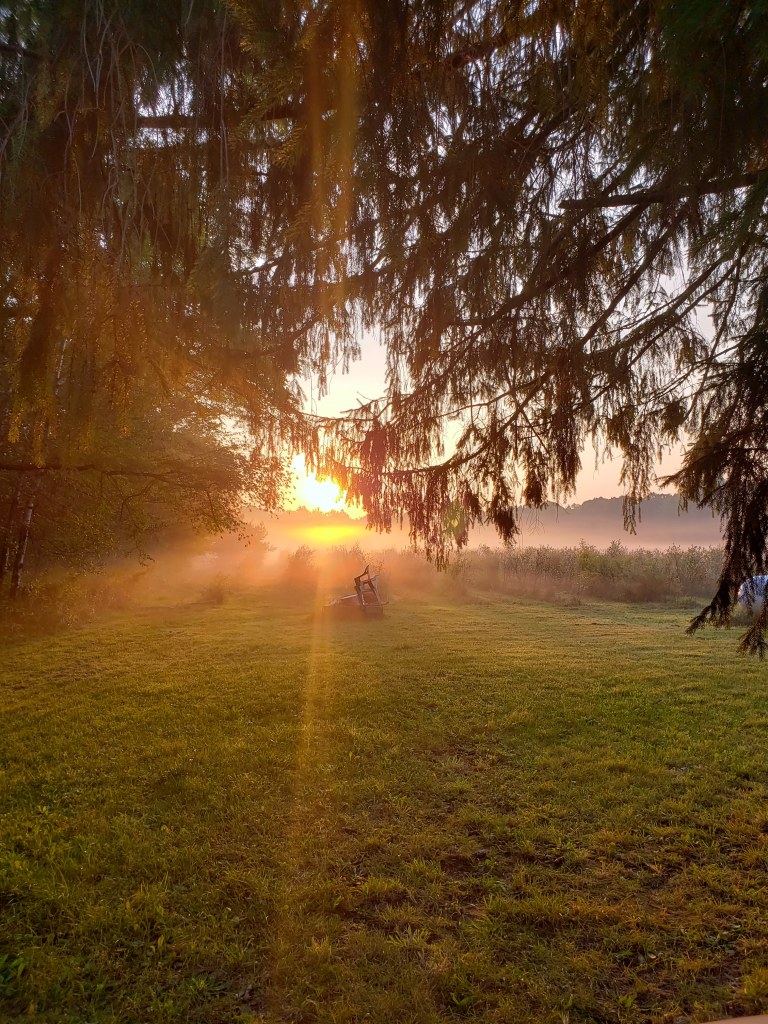
Argento Acres Sunrise